Showing posts with label Female Plastic Surgeon. Show all posts

Tuesday, January 26, 2016

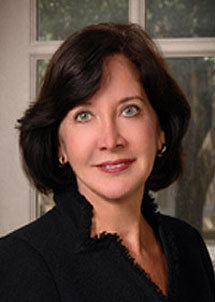
Diane Gibby MD, Dallas Breast Augmentation Plastic Surgeon


Dr. Gibby specializes in breast augmentation, tummy tucks, and liposuction.

Dr. Gibby’s philosophy is to help others feel the best they can about their appearance. Visual changes, she has found, are often reflected on the inside, resulting in increased confidence and self-esteem.

After attending Duke University, Dr. Gibby received her Doctor of Medicine Degree from the University of Miami Medical School. She completed her five-year residency in General Surgery at the University of Virginia, followed by a two-year Plastic Surgery residency in Dallas at the University of Texas Southwestern Medical School. She received her board certification in 1989.
For more information see http://www.drgibby.com/bio/

Monday, November 12, 2012

How to choose the right breast implant for your body

For more information http://www.drgibby.com/breast.html
A Practice Dedicated Exclusively to Women Established in 1992 by Dr. Diane Gibby, The Women’s Center for Cosmetic and Plastic Surgery focuses on women’s special health care needs, before, during, and after surgery. We provide optimal medical care in a warm and caring environment to help you feel confident in achieving your goals.

Friday, August 31, 2012

Female Plastic Surgeons

These guys make some excellent memes for viral marketing purposes like facebook, etc.

A discussion on the topic the meme covers is here:
http://www.drgibby.com/femaleplasticsurgeon.html

Wednesday, April 18, 2012

Tyler, Texas Plastic Surgeon

Doctor Diane Gibby is a female plastic surgeon specializing in breast lifts, also known as breast augmentation. Many of her patients come from Tyler, Texas and Athens, even though her practice is actually located in Dallas, Texas.


Some women believe that a female plastic surgeon understands their needs better and are willing to drive an extra mile for that.


Find out more about Dr. Gibby at http://www.dallasdoctorbios.com

Tuesday, February 2, 2010

Female Plastic Surgeon opens facebook site.

Doctor Diane Gibby, a Dallas area plastic surgeon, has seen the potential of Facebook for getting her name out among potential clients. Dallas area cosmetic surgeons are starting to build a presence of Facebook.


Doctor Gibby

Promote Your Page Too

Thursday, January 14, 2010

Female Plastic Surgeon in Dallas Texas is on Facebook

Dr. Diane GIbby is the latest cosmetic surgeon in Dallas to get a facebook page for her practice.


Female Plastic Surgeon

Promote Your Page Too

Friday, May 1, 2009

Breast Reduction FAQ

Q. I am embarrassed by my extremely large breasts, but have heard that a breast reduction leaves bad scars. Is this true?

A. Anchor-shaped incisions that follow the natural contour of the breast often remain visible for up to a year and then will fade with time.

Q. My large, sagging breasts have always made me extremely self-conscious. Is breast reduction the answer?

A The decision to have any cosmetic surgery is always a personal one and should be considered carefully. Breast Reduction can often provide relief to women who have endured physical discomfort as well as emotional distress due to oversized breasts.

answers by Diane Gibby M.D. north dallas area plastic surgeon
More information

Breast Lift Questions and answers

Q. What can I do for sagging breasts?

A. An outpatient procedure called “mastopexy” can remove excess skin and tighten sagging skin on the lower half of the breasts. Sometimes an implant is used to fill out the lifted breast.

Q. Babies, breastfeeding and hitting the big 4-0 have taken a toll on my breasts. Is there a procedure that can reshape my sagging breasts?

A. An outpatient procedure called “mastopexy” can remove excess skin and tighten sagging skin. Sometimes an implant is used to fill out the lifted breast.


Answers by Dr. Diane Gibby, specializing in female plastic surgery, http://www.drgibby.com

Breast Questions

Q. Help! My baby is a year old and although I’ve lost all my pregnancy weight, my breasts sag and I still have a tummy. What are my options?

A. Pregnancy and breast-feeding often changes the shape of a woman’s body. If a consistent exercise program doesn’t achieve the desired results, there are several body-contouring procedures that can reshape the breasts and abdomen. The type of surgery best for you will depend on your age, size and skin elasticity.

Q. Should I get a mammogram if I have breast implants?

A. Mammograms are critical in detecting cancer, and women over 40 with implants should have them yearly. Make sure your mammographer has experience imaging breasts with implants and knows the special views needed to screen for cancer.

Q. What is the advantage of using a textured breast implant as opposed to a smooth one?

A. Some studies show a decreased risk of scar tissue with textured implants. However, textured implants may increase the risk of visible rippling, particularly when implants are placed above the muscle or in women with very thin skin.

Q. How will I know if my breast implant has ruptured?

A. It is usually obvious when a saline implant ruptures because the breast will become smaller as the water in harmlessly absorbed. A ruptured silicone implant can be more difficult to detect and may require radiological tests, such as a sonogram or MRI.

Q. What is considered the best placement for breast implants, above or below the muscle?

A. Although once exclusively placed over the chest muscle, many doctors today prefer the “submuscular” approach. Where the implants are placed depends largely on the amount of existing breast tissue, breast shape, type of implant used and the desired end result.


Answers provided by richardson, wylie and plano area plastic surgeon, Diane Gibby M.D.

http://www.drgibby.com


Breast Augmentation FAQ

Q. I’m worried about losing nipple sensation after Breast Augmentation.

A. While there is always a small risk of nipples becoming numb or oversensitive after breast surgery, usually any lost sensation is regained within 3 months.

Q. I am considering breast implants but am concerned about Capsular Contracture. What causes this condition and how common is it?

A. Virtually every body will respond to the presence of an implant by forming a capsule of scar tissue around the implant. In most cases the presence of this scar capsule is not detectable and the breasts look and feel very natural. In about 5 percent of patients, however, the capsule contracts around the implant causing the breast to feel hard and in some cases the shape of the breast will be distorted, often requiring additional surgery.

Q. I am considering a breast augmentation but am nervous about deciding on a flattering size and then conveying that decision to my doctor without any miscommunication. Any suggestions?

A. I suggest that my patients come to the office with photographs of the size breasts they wish to have, as well as pictures of breast sizes that they do not want. This helps eliminate all but a certain range of sizes and also give me a good visual idea of what my patient’s goals are for surgery.

Q. I am ready to schedule my breast augmentation, but am nervous about outpatient surgery. Is it safe?

A. It is important that the outpatient facility, including the physician’s office, is accredited to perform the type of surgery you are requesting. Ask for these credentials, including information about the person performing your anesthesia. At the Women’s Center, board certified anesthesiologists are involved with your surgical care.

Q. I am interested in having a breast augmentation before my beach vacation in three weeks. Will this allow for enough recovery time?

A. You may be tired or sore but should be up and around within 24 hours. While recovery time varies from patient to patient and depends largely on pre-surgery health, you should be fine to travel three weeks after surgery.

Q. Do breasts with implants experience sagging over time?

A. All breasts relax as time passes, because the weight stretches the skin, elasticity is lost with age and the amount of breast tissue often decreases as a woman get older. These factors mean that breasts can be expected to sag slightly whether or not there are implants present.

Answers provided by Diane Gibby, M.D. a specialist in plastic surgery in the DFW metroplex. http://www.drgibby.com

Thigh and arm lift FAQ

Central Body Lift

Thigh Lift

Q. Is there a procedure to get rid of loose skin on my rear and thighs?

A. A buttocks or thigh lift can eliminate excess skin but may leave long, visible scars. This is effective surgery, but should be used as a last resort after trying diet, exercise and even liposuction.

Q. Over the years I have lost and regained the same 25 pounds many times and now the skin on my thighs and buttocks has lost its tone and just “hangs”. Is there a procedure to correct this?

A. All tissue relaxes with time, and yo-yo dieting certainly contributes to this process. A Lower Body Lift will remove fat and tighten loose skin, which will result in more youthful contours.

Arm Lift

Q. Even in the summer I refuse to wear sleeveless tops because of the fat on the back of my upper arms. Is there a procedure that will get rid of this?

A. Thick or fatty upper arms can be a problematic area for many women. If diet and toning exercises have not helped, liposculpture can be performed to remove the fat on the upper arms.


Answers provided by a Dallas area female plastic surgeon, Dr. Diane Gibby, http://www.drgibby.com

Tummy tuck questions and answers

Tummy Tuck FAQ

Tummy Tuck

Q. My friend had liposuction performed on her stomach. Isn’t a tummy tuck the standard surgery for a “poochy” stomach?

A. Liposuction alone is performed when the underlying abdominal muscles and skin are fairly taut. A tummy tuck however, which can be done in conjunction with liposuction, tightens the skin and repairs weakened abdominal muscles.

Q. How soon can I have a tummy tuck after having a baby?

A. “Abdominoplasty” can be done as early as 6 weeks after pregnancy, but unless you have someone reliable to help with the baby, it’s best to wait 6 months to give your body time to recover from the pregnancy and delivery.

Q. I have always wanted to wear a bikini, but am self-conscious about my “poochy” stomach. Is getting a tummy tuck the answer?

A. If diet and exercise have not helped flatten your stomach, a tummy tuck can dramatically reduce the appearance of a protruding abdomen, giving you flatter and firmer stomach.


answers by Dr. Diane Gibby, http://www.drgibby.com

Liposuction questions and answers

Liposuction

Q. I’ve exercised most of my 50+ years, but I still have fat around my hips and thighs. Am I too old for liposuction?

A. Absolutely not! Women of all ages can benefit from liposuction. You may be a candidate for Ultrasonic liposuction that uses high-frequency sound waves to liquefy fat while minimizing bruising and blood loss.

Q. What exactly is cellulite and can liposuction get rid of it?

A. Cellulite is fat trapped close to the skin between tight, fibrous bands. While liposuction can improve contour, it cannot eliminate cellulite. In some cases liposuction may lessen the appearance of the dimpling.

Q. Can I expect to loose any weight after undergoing liposuction?

A. Liposuction is not meant for weight loss, but rather for reshaping the body by getting rid of stubborn and unappealing deposits of fat. The difference will be seen primarily in the way your clothes fit. You will, however, probably loose inches and look slimmer.

Q. Is there a way to keep fat from returning after liposuction?

A. The best way to maintain the results from liposuction is through proper health, nutrition and exercise. While fat cells won’t return once removed, they will increase in size if you gain weight after the procedure.

Q. I have always heard that fat won’t return to an area that has undergone liposuction, is this true?

A. The number of fat cells in the adult body is fairly constant. These cells swell or shrink depending on weight gain or loss. Once they are removed via liposuction they do not return, but the remaining fat cells can expand with a significant weight gain.

Q. What kind of anesthesia is generally used with liposuction?

A. They type of anesthesia that would best suit you, such as local, intravenous sedation, or general anesthesia, depends on the area to be suctioned as well as your thoughts about the method used. As always, safety and comfort are critical goals in this decision making process. Our board certified anesthesiologists can help you with your final decision.

Q. It’s summertime but I refuse to wear sleeveless tops because of the jiggly fat on the back of my upper arms. Can liposuction improve this area?

A. Thick or fatty upper arms can be a problematic area for many women. If diet and toning exercises have not helped, liposculpture can improve the contour of your upper arms.

Q. What kind of anesthesia is generally used with liposuction?

A. They type of anesthesia that would best suit you, such as local, intravenous sedation, or general anesthesia, depends on the area to be suctioned as well as your thoughts about the method used. As always, safety and comfort are critical goals in this decision making process. Our board certified anesthesiologists can help you with your final decision.

Q. I recently lost some weight and want to reward myself with liposuction to tackle those areas that I could not minimize with diet and exercise. I am concerned about staying motivated and maintaining my new figure. Any suggestions?

A. At the Women’s Center we offer post-op incentives such as complimentary sessions with a personal trainer or nutritionist. This encourages our patients to live a healthy lifestyle, which will contribute to maintaining or even improving their surgical results.


Answers provided by Dr. Diane Gibby, http://www.drgibby.com

Do female plastic surgeons have a better understanding of what women want?

IN THEIR SKIN/ or MORE THAN SKIN DEEP: Do female plastic surgeons have a better understanding of what women want?

Date: April 10, 2006 Author: Natasha Singer, THE NEW YORK TIMES

MIND & BODY Last June, after Jerri Hafizi, a 5-foot-3-inch construction firm executive, lost 65 pounds, she asked a plastic surgeon to tighten the loose skin around her torso and lift her breasts.

But the surgeon seemed not to understand what she wanted. He squeezed Hafizi's skin in his fists, she said, and told her that the only way to solve her problem was with implants.

"He wanted to make me into a Barbie doll," said Hafizi, 50, who lives in Merritt Island, Fla. "But I didn't want to be made over according to somebody else's idea of what a woman should look like."

A few days later, when Hafizi consulted Dr. Roxanne J. Guy, a plastic surgeon in Melbourne, Fla., she had a different experience. Guy spent more than an hour discussing Hafizi's choices. But most important, Hafizi said, "Dr. Guy was OK with the fact that I was going for the Rene Russo look, not the Pamela Anderson look."

The surgery Guy ultimately performed was implant-free and, in Hafizi's eyes, a success. And she thinks she knows why: "Dr. Guy was more empathetic and attentive to my expectations and goals because she's a woman."

Guy runs across this kind of thinking all the time.

"Female patients are drawn perhaps to the idea that they are going to get more time and empathy and understanding from a doctor who has the same female organs as they do," she said.

That view appears to be gaining traction in the world of plastic surgery, where there has been an influx of women in the last decade. Of 7,003 doctors in the United States who are board-certified in plastic surgery -- meaning they have passed examinations to demonstrate their competency -- just 623 are women, according to the American Board of Plastic Surgery. But that number is more than double what it was in 1995.

The idea that female surgeons might be more empathetic than men -- or that they might have significantly different standards of beauty - - is the subject of much debate. The suggestion of a gender gap among cosmetic surgeons, some say, is nothing more than a marketing ploy used by some practices to attract patients.

"People should go to a female plastic surgeon because she is a great doctor, not because she is selling sympathy and empathy and all that other nonsense," said Dr. Gerald Imber, a plastic surgeon in New York City who described himself as "notoriously unsympathetic" to patients. "I care about my patients, and my heart would break if something went wrong during surgery, but I am not selling empathy. I am offering excellence as a physician and a surgeon."

Women are far more likely than men to have plastic surgery. They accounted for 90 percent of the more than 2 million surgical procedures in the United States in 2005, according to statistics kept by the American Society for Aesthetic Plastic Surgery. And an increasing number of these women are specifically asking for female surgeons, said Guy, who is the first woman to be elected president of the American Society of Plastic Surgeons.

Dr. Linda Li, a plastic surgeon in Beverly Hills, said female doctors can offer a fresh point of view.

"Patients used to have two kinds of plastic surgeons to choose from," Li said, "an older professorial fatherlike figure who told you what he was going to do to you or a young attractive male whose attention made you feel attractive.

"But now there is a third choice, a female plastic surgeon like me who patients can relate to and bond with like a mom or a sister."

Women are entering medicine in greater numbers, now representing half the students at medical schools, according to the Project on Gender, Culture and Advancement in Academic Medicine at Brandeis.

Field attracts women

And as the training period for plastic surgeons has grown shorter, the specialty has become more attractive to young women who want both a career and a family.

For example, 30 years ago Dr. Helen S. Colen, a plastic surgeon in New York City, had to put in eight years as a medical resident: five years of general surgery followed by three years of special plastic surgery training.

Today her daughter, Dr. Kari L. Colen, 31, is in a combined six- year plastic surgery program at New York University School of Medicine. And the elder Colen said she went to greater lengths than her daughter to prove she could compete.

"I went into labor while I was operating at the hospital, finished up my surgery, delivered the baby, and immediately went back to work," Colen said. "Because you were the only female plastic surgery resident, you had to be exemplary."

The younger Colen, who recently had a baby, was able to use her month of annual vacation as maternity leave.

Listening skills differ

There is some evidence that male and female doctors communicate differently with their patients. For example, in 1994 researchers at Northeastern University in Boston observed doctors of both sexes during 100 patient visits and found that the women were more emotionally engaged and less domineering than the men.

And an analysis of data on more than 90,000 doctor's office visits nationwide from 1995 to 2000, conducted by researchers at the University of California, San Francisco, found that female physicians spent more time with patients.

Dr. Sydney R. Coleman, a plastic surgeon in New York City, said he hired a young woman as an associate in 2004 in order to better communicate with patients.

Now he often invites that woman, Dr. Alesia P. Saboeiro, to join in his consultations, to offer her opinion and to answer questions patients are too embarrassed to ask him, he said.

"I am a good listener," Coleman said. "But no matter how hard I try to get into the head of a woman, I am never going to understand her completely."

But Dr. Elizabeth J. Hall-Findlay, a plastic surgeon in Banff, Alberta, refutes the notion that female surgeons automatically enjoy better rapport with female patients. "Some women plastic surgeons are tough and don't listen while some male plastic surgeons are empathetic and great communicators," she said.

The idea that men and women have different views on what constitutes an attractive female body is also hotly debated.

"A lot of male surgeons have a tendency to push bigger implants or think bigger is better," said Dr. Jane S. Weston, a plastic surgeon in Atherton. "Perhaps my breast aesthetic is different. I tend to go for a more genteel, shapely, natural look."

Attention to size matters

But others argue that it is the physician's ability to realize the patient's ideal and not the gender of the surgeon that matters.

"I do have patients who want their breasts made smaller because they feel their previous doctors made them too big, but that is not gender-related," said Dr. Mia Talmor, the first female plastic surgeon appointed to the full-time faculty of Weill Medical College of Cornell University in New York. "It's about whether the surgeon was meticulous and listened to the patient."

Shani Gonzales, 26, of New York City, said surgeons can be poor listeners. Gonzales consulted three plastic surgeons, all of them men, and told each one that she wanted to reduce her size 36J breasts to decrease her back pain and the self-consciousness she had felt since she was a teenager. But, she informed them, she still wanted cleavage.

"But all of the doctors just assumed I wanted to go from being superbig to super-small," said Gonzales, an assistant at a record company.

Each doctor showed her post-operative photographs of patients and their breasts, she said, but they all looked the same. "It was all very cookie cutter," she said.

So last month, after her mother urged her to find a female plastic surgeon, Gonzales went to see Dr. Nina Shaikh-Naidu. Shaikh-Naidu, who practices in New York, discussed at length Gonzales' aesthetic goal and her concern that surgery might diminish breast sensation or her ability to one day breast feed.

Shaikh-Naidu recently performed the surgery, and Gonzales said she has been holding "viewings" to show friends her new size 36D breasts.

"I keep wondering whether Dr. Naidu was more sensitive to what I wanted and more able to give it to me because she's a woman who has breasts herself," Gonzales said. "But maybe she's just a better doctor."


http://www.drgibby.com

Wednesday, April 15, 2009

Pregnancy and Your Skin

Pregnancy is an exciting time in a woman's life. Most women enjoy being pregnant and are happy with the changes motherhood brings, but are not always prepared for the effects of pregnancy on their skin. Many of pregnancy’s stubborn signature marks can be faded, or even erased, thanks to advances is skin care.

Skin: Many women experience a "glow" during pregnancy but some may develop changes in skin pigmentation, known as melasma (or the “mask of pregnancy”), which is common in the facial area. Studies suggest that up to three in four women may develop these changes which are characterized by a blotchy brown increase in pigment. Since sun exposure can make these areas darker, it is important to a wear sunscreen with a SPF of at least 15. Surface-layer melasma sometimes fade on its own after delivery; when it doesn’t, treatment starts with hydroquinone, a topical bleach, often used in conjunction with skin care products containing Alpha Hydroxy Acids.

Stretch Marks: Up to 90 percent of women develop stretch marks during pregnancy, and there’s not a cream on earth that will keep them from forming (though keeping these areas well-moisturized keeps skin in good condition and just feels good!). That’s because stretching occurs not on the skin’s surface but deep down, causing structural changes to collagen and elastin. Most of these red marks will gradually fade to a silvery white over time. While there are no topical treatments that can successfully remove stretch marks they can be surgically excised in procedures such as a tummy tuck or breast lift.

Spider Veins: These small, dilated blood vessels located close to the surface of the skin are a common imprint of pregnancy that often show up on the face and legs. Some go away following delivery, while others remain. Spider veins on the face can be improved with laser treatments, while small veins on the legs are usually treated with sclerotherapy, which involves the injection of a salt-like solution into the vessel.

Your skin care needs will likely change during pregnancy and during the postpartum period. Hormonal changes can cause previously dry skin to produce oil and otherwise oily skin to feel tight and dry.

more info http://www.drgibby.com

Tuesday, April 14, 2009

Regaining a firmer bustline

Most women today endeavor to feel and look their best. Many are willing to eat a nutritious diet and maintain a consistent exercise routine so as to reap the health benefits and maintain a youthful appearance. But, the effects of pregnancy, menopause and large fluctuations in weight associated with hormonal changes. can sometimes cause a women to look older than she feels.While becoming a mother is a joyous and momentous occasion, it can change your life and your body in many ways. Later in life, women will also experience new changes in their body. These changes leading to menopause can begin as early as age 35.

Sagging or loose breasts are sometimes the result of pregnancy, changes in weight, or due to the natural aging process. The breast lift, or mastopexy, is a procedure that elevates and reshapes the sagging breast.
Breasts are carefully marked in an anchor-shaped form to indicate where the incisions are to be made. The anchor-shaped incision follows the natural contour of the breast, outlines the area where the breast skin will be removed, and defines the new nipple location.

Excess skin is removed and the nipple and areola are moved to a higher position appropriate for the woman’s chest wall proportions. The skin around the areola is brought down to shape the breast.

Stitches are placed around the areola, in a vertical line extending down from the nipple, and along the lower crease of the breast.

Some patients, especially those with small breasts and minimal sagging, may be candidates for less extensive procedures, such as the “doughnut (or concentric) mastopexy,” in which circular incisions are made around the areola, and a doughnut-shaped area of the skin is removed.

A breast augmentation may be performed at the same time as a mastopexy. If an implant is inserted at the time of the breast lift, it will be placed in a pocket directly under the breast tissue or under the muscle of the chest wall.

On the other hand, some women may prefer to have their breasts made smaller, or reduced, at the time of the breast lift. A reduction-mastopexy can be performed through the same operative incisions.
Following surgery, an elastic band or a support bra is worn over gauze dressing. The bra is worn for the patient’s comfort for about three to four weeks.

Before proceeding with a breast lift, it is important to have a thorough understanding of the options available and to discuss any questions or concerns you might have with your doctor. Every patient is unique and her specific needs should be addressed.

http://www.drgibby.com

Building a Positive Body Image

Women struggle for satisfaction with themselves and their bodies much, if not all of their lives. While the reasons for this struggle are varied, there are common factors which affect all of us. Whether in magazines and advertisements, or television and movies, we are constantly faced with images of thin, lean, beautiful women.

It is no surprise that many women are preoccupied with body image. According to one American study, approximately 80-90 percent of women dislike their bodies.

The perception of our bodies begins at a very early age in life. Childhood messages about our bodies form the foundation of our body image later in life. The way family members react to the changes we encounter and comments from others is an important part of how our body image develops. How we perceive and internalize these childhood messages about our bodies determines our ability to build self-esteem and confidence in our appearance.

Body image is an individual’s perception of his/her physical self. It is the mental picture a person has of their body, as well as the individual’s associated thoughts, feelings, judgments, sensations, awareness and behavior. Body image is not a static concept. It is developed through interactions with others and the social world.

Thus, what society holds up as ideal is often what women strive for. Preferences for body shape vary over time and among all cultures. Historically, most societies have associated extra weight in women with desirable social status — an overt sign of wealth when food was not abundant. Rubenesque women were considered the epitome of femininity and beauty.

Because women today are inundated with beautiful faces and perfect bodies, we must strive to maintain a realistic and healthy body image. A healthy body image is evident when a person’s mental picture of her body is accurate, and her feelings, assessment and relationship toward her body are positive, confident and self-caring.

Healthy body image is more than the absence of struggles around food, weight or appearance. It is having the support and resources necessary to: 1) care for the body;
2) find outlets for self-expression; 3) develop confidence in one’s physical abilities and capacities; and 4) develop a positive self-concept.

Women today have resources to help them resist negative environmental messages, the most important being education and the awareness that we are all unique individuals. Good nutrition and regular exercise help to keep us both physically and mentally fit, as well as promotes a healthy body image. And sometimes cosmetic surgery is appropriate to help women feel better about their bodies and looks in general

Women who already have a healthy body image and desire to enhance, but not change their appearance, will generally benefit the most from cosmetic surgery. Striving for improvement — not perfection — is the key. Women who have realistic expectations can greatly improve their body image with appropriate cosmetic surgery. Of course, before having any cosmetic surgery, you should discuss any questions or concerns, as well as your expectations, with your physician.

It’s not about looking like a movie star or a runway model. It’s about being accepting and nurturing of the body you have. Since a healthy body image is directly related to self-esteem, it is important that women understand that the images in the media have nothing to do with realistic expectations. After all, what could be more beautiful than a woman confidant about her appearance, both inside and out!

more at http://www.drgibby.com

Mother to watch over, nourish and protect. A Female Plastic Surgeon Explains the Mommy Makeover

Few things in life bring as much joy as having children. As parents, we lovingly sacrifice for our children. These sacrifices may come in the form of lack of sleep, crazy carpool schedules, and financial investments for their future.
Pregnancy, however, can take a toll on a mother’s body during the growing, nurturing and feeding of a baby. A woman’s body changes in a multitude of ways during pregnancy - the hips become wider to allow the passage of a baby through the birth canal; the skin of the abdomen stretches and grows to accommodate a growing fetus, soon to be an infant child.
Add to this breastfeeding. A woman’s breasts not only go through the enlargement that pregnancy brings but also the changes that providing sustenance and nourishment for a child brings.
Some of these changes, thankfully, are reversible. The average weight gain during pregnancy should be about 30-35 pounds. The majority of this weight can be safely lost during the baby’s first year with a healthy regimen of good eating and exercise. Breastfeeding can assist in this weight loss by helping the body burn calories that have been stored during pregnancy.
But what about the changes associated with pregnancy that does not respond to weight loss? What about excess skin on the abdomen? What about stretch marks? What about the now sagging breasts? These problem areas do not always respond to dieting and exercise. This is where the Mommy Makeover comes in.
According to the American Society of Plastic Surgeons, breast augmentation or breast enhancement surgery, is one of the most popular cosmetic surgical procedures performed in the U.S. The number of women having breast augmentations has increased by over 50 percent since 2000. Abdominoplasty, or tummy tuck, is also a commonly performed procedure, with a 133 percent rise during the last decade. The increasing popularity of these procedures mirrors the increasing popularity of plastic surgery in the general population.

A Mommy Makeover is a combination of procedures that restore a woman’s body to its natural, pre-pregnancy state. The goal is to bring back to form what was stretched-out during the growing and nurturing of a child. For many women, this may start with an abdominoplasty, which tightens the excess skin of the lower abdomen, leaving a scar that can be hidden low in the bikini line. Often, many of the stretch marks of the abdomen can be removed with this procedure. The muscles of the abdominal wall are tightened to improve the “tone” of the abdomen. Liposuction is often performed to additionally contour the abdomen.
The changes in a woman’s breasts are the next area to be addressed, many times during the same operative procedure as abdominal contouring. Often, women complain that they are empty or deflated and droopy or low. Breast implants can be used to replace the volume of the breasts, and a breast lift might be recommended to tighten the skin of the breasts to a more natural, youthful position.
Breast implants come in a variety of sizes and shapes, not to mention materials. Although saline implants are still more commonly used, some women prefer silicone implants for its ability to mimic the feel of a natural breast. We will discuss in detail the risks, benefits and difference between the two styles of implants to help you make a choice that is best for you and your lifestyle.
Other concerns may be addressed during a Mommy Makeover such as unwanted fullness in the hips, thighs, and arms. These areas can be contoured with lipo-sculpture, or liposuction to improve your overall proportion.
A Mommy Makeover may be performed in a single operation or in staged procedures, depending on your general health and of the complexity of the operation. Also, depending on the length of the procedure, an overnight hospital stay may be recommended as well. Safety should be the guiding principle of any elective surgery.
Nothing should overshadow the joy that pregnancy and raising a family brings. As a mother and surgeon, I understand that the changes you see in your body with pregnancy are simply that. Changes. These changes associated with pregnancy, motherhood and aging affect each woman differently and can be improved upon with new advances in surgical techniques. A consultation and examination is your first step toward a Mommy Makeover. We will listen to your concerns, assess your problem areas and discuss which options will help you achieve your desired results.

more at http://www.drgibby.com

Thursday, March 5, 2009

Makeup Techniques Following Plastic Surgery

Makeup Techniques Following Plastic Surgery
by Dr. Diane Gibby • M.D., P.A., F.A.C.S

Most people are eager to return to work and social activities after plastic surgery. How quickly you do so depends on two factors how you feel and how you look. Your surgeon will let you know when it's physically safe to resume your normal activities. But only you can decide how comfortable you feel with the way you look.

Almost everyone has some temporary cosmetic side effects from plastic surgery, such as swelling, bruising, or visible incision marks. It may be days, weeks, or even months before these signs disappear and you can fully appreciate the results of your surgery. But there's no need to sit at home and wait. There are a variety of makeup products and techniques that can be used to camouflage the temporary side effects of surgery and help you face the world with confidence and ease.

Here we will introduce you to the kinds of products available and show you how to use them to your best advantage. It may take some practice. But the skills you learn now will serve you well right after surgery and in the long term, helping you to enhance the permanent effects of your cosmetic surgery.

When to start

It's best to ask you surgeon's advice before you start using camouflage cosmetics. Most people can begin applying makeup to cover bruising or disguise swelling as early as a day or two after surgery. If you want to hide incision lines, you'll need to wait until the stitches have been removed and the incision is completely closed.

After nose surgery, you can normally use makeup as soon as the cast is removed. With a chemical peel or dermabrasion, if a crust has formed you'll need to wait until it's completely gone.

What to look for

You may use special camouflage products recommended by your plastic surgeon, commercial camouflage products available in many large department stores, or even a standard makeup that you already use.

The important thing is to look for products that are hypoallergenic and fragrance free. If you're happy with the products you currently use, you can continue using them after surgery--but buy fresh ones with new applicators so they'll be as clean as possible.

There are three basic approaches to camouflage cosmetics concealing--hiding incision lines and bruises; color correcting--neutralizing color in reddened or yellowish skin; and contouring--disguising swelling and creating the illusion of highlights and shadows.

Concealing

Concealers are thicker and more opaque than regular foundation makeup. They can cover healed incision lines as well as scars or bruises on your face or body. Concealer can be used to hide the visible incision lines, along with the surrounding discoloration, that may follow facelift or eyelid surgery.

Choose a concealer that's opaque and waterproof, but creamy enough that it doesn't pull on your skin when you apply it. If you can find a concealer that closely matches your skin tone, you may not have to use a foundation on top of it.

It's not a good idea to use concealer on the thin, delicate skin around your eyes, since concealer is thick and will collect in the creases. Instead, try using a normal fluid foundation, color corrector, or eye makeup alone.

Color correcting

Color correctors are used to disguise the yellowish shade of a bruise or the overall redness that follows chemical peel and dermabrasion. They come in tints lavender corrector neutralizes yellow tones, while green corrector removes red.

Less opaque than concealers, color correctors have the same consistency and sheerness as foundation. They're generally used under your foundation.

Contouring

Contouring can be applied anywhere on the face, but it's most often used to disguise the swelling that accompanies nose surgery and facial implants. Contouring creates dimension using light and shadow lighter areas appear to come forward, while darker areas recede.

You'll need two separate products for contouring a highlighter, which is about two shades lighter than your normal foundation; and a contour shadow, about two shades darker than your foundation. (You probably won't find products labeled highlighter and contour shadow. Just look for the appropriate shades of foundation makeup or pressed power.)

Using highlighter and contour shadow, you can create the appearance of higher, better defined cheekbones. Blending is the key to successful contouring you want to create the illusion of angles without seeing stripes of makeup. The techniques of contouring are subtle and take some practice. Once you're adept, however, you can use contouring to create "higher" cheekbones, narrow your nose, or minimize a swollen chin. Contouring can also make a swollen nose appear narrower, or minimize a swollen chin.

Removing camouflage cosmetics

Camouflage cosmetics tend to be thicker and more adherent than everyday makeup, so it's important to remove them every night. First, use a cleansing cream that removes all of your makeup. Then use a gentle, alcohol-free toner applied with a cotton ball to remove any cleanser residue. Follow this with a moisturizer formulated for your skin type oily, dry, or combination.

http://www.drgibby.com

What is Plastic Surgery?

by Dr. Diane Gibby • M.D., P.A., F.A.C.S

Plastic surgery can enhance your appearance subtly or significantly, and with it, your entire self-image. It can help make your features more youthful-looking or improve the appearance of normal body features. The word "plastic" comes from the Greek word plasticos, which means to mold or give form. The specialty of plastic surgery involves two areas: cosmetic surgery and reconstructive surgery. Cosmetic surgery enhances the attractiveness of your features. Reconstructive surgery minimizes disfigurement and improves or restores physical functions that may have been impaired because of birth defects, injury, or disease.

Your expectations for surgery should be realistic. Plastic surgery may renew your self-confidence but will not guarantee happiness. You must have a strong personal desire to make such a change-both physically and mentally. Dr. Gibby will fully discuss the improvements you desire and explain what is possible with surgery so that your goals are clear. This will help you evaluate surgery in terms of how well it satisfies your needs.


Some Important Considerations

As with any surgery, the quality of the result is based on the expertise of the surgeon. It is extremely important to select a surgeon whose skills are certified by the American Board of Plastic Surgery. Board certification means that the surgeon's training includes both medical and approved plastic surgical training and that the candidate has passed extensive written and oral examinations in the Plastic Surgery specialty. While any physician who holds a medical license can practice plastic surgery-even without surgical training-board certification ensures the highest level of expertise. Membership in the American Society of Plastic and Reconstructive Surgeons (ASPRS) is another important factor.


More info